

Counterfeit flutes are becoming increasingly common, particularly on online marketplaces and websites offering instruments at surprisingly low prices.
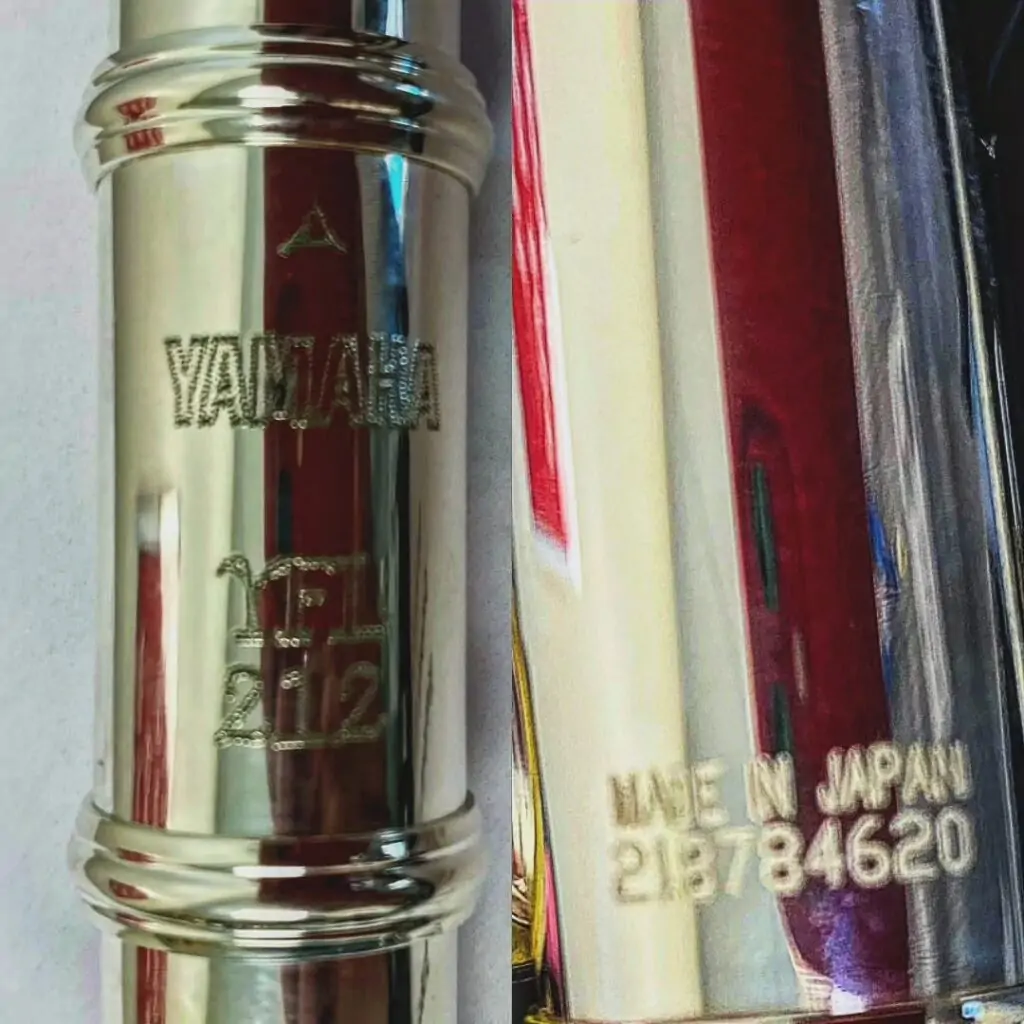
These instruments are often advertised as well-known brands such as Yamaha, Muramatsu, Sankyo and others. They may use genuine model names, familiar logos and official photographs, making them look like an incredible bargain.
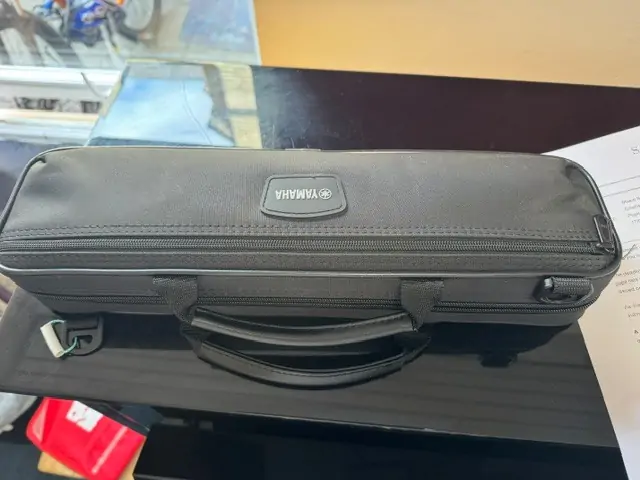
Unfortunately, they are not genuine.
At Just Flutes, we occasionally see these instruments arrive in our workshop for repair or assessment after a customer has unknowingly bought one online. Sadly, the news is not usually good.
In many cases, the instrument simply isn’t worth setting up or repairing.
Why are counterfeit instruments a problem?
A fake flute may look convincing in photographs, but the issues usually become apparent very quickly.
Poor build quality
Counterfeit instruments are often made using low-quality materials and poor manufacturing processes. Keywork may be badly fitted, mechanisms can be unreliable and pads often leak from new.
As a result, the instrument can be difficult to play and frustrating to maintain.
They can hold back a player’s progress
For beginners and students in particular, an unreliable instrument can make learning much harder than it needs to be.
A flute that doesn’t respond properly can affect:
- Tone production
- Intonation
- Technical development
- Confidence and enjoyment
Many players assume that they simply need more practice, when in reality the instrument itself is making progress unnecessarily difficult.
Repairs can be difficult or impossible
One of the biggest issues with counterfeit instruments is that they often cannot be repaired economically.
Replacement parts are unavailable, materials can be poor quality and, in some cases, the instrument simply isn’t built well enough to justify the cost of putting it right.
Unfortunately, what initially looked like a bargain can quickly become an expensive disappointment.
They have little or no resale value
A genuine instrument from a respected manufacturer often retains value well and can be traded in or sold on in the future.
A counterfeit instrument generally has little or no resale value once its true identity becomes clear.
“We’ve seen counterfeit instruments arrive in our workshop that simply aren’t worth setting up or repairing. What looked like a bargain ended up being money wasted.”
How do counterfeit instruments end up being sold?
Counterfeit instruments are commonly found on:
- Online marketplaces
- Auction websites
- Social media selling groups
- Unverified third-party websites
Many are shipped directly from overseas and advertised at prices that are dramatically lower than you would expect to pay through an established retailer.
The listings often use:
- Official manufacturer photographs
- Genuine model names
- Familiar branding and logos
- Descriptions that imply authenticity
This can make the instruments appear to be an incredible bargain when, in reality, they are something entirely different.
How can you spot a fake flute?
There is no single sign that guarantees an instrument is counterfeit, but there are some common warning signs.
The price seems too good to be true
This is often the biggest clue.
A new Muramatsu, Sankyo or professional Yamaha flute being offered at a fraction of its usual price should raise questions.
High-quality instruments involve skilled craftsmanship and careful manufacturing. Genuine instruments are rarely available at huge discounts.
The instrument is being shipped directly from overseas
Many counterfeit instruments are sold by sellers based overseas and are offered at prices that seem impossible compared with established retailers.
A low price can be tempting, but it’s worth considering why a supposedly premium instrument is available so cheaply.
The quality doesn’t match the name on the instrument
Respected manufacturers such as Yamaha, Muramatsu and Sankyo have earned their reputations through consistency and craftsmanship.
If an instrument appears poorly finished, roughly made or mechanically unreliable, it may not be what it claims to be.
The safest way to avoid counterfeit instruments
The simplest and safest approach is to buy from a trusted specialist retailer.
A reputable retailer will:
- Source instruments through legitimate channels
- Stand behind the instruments they sell
- Provide expert advice and guidance
- Offer after-sales support and servicing
- Help you choose an instrument that genuinely suits your needs
Buying a flute is an important investment, whether it’s a first student instrument or a professional model that you’ll play for many years.
Peace of mind matters.
At Just Flutes, every instrument we sell is carefully checked and supported by a team of flute specialists. When you buy from a trusted retailer, you can be confident that your instrument is genuine, properly prepared and backed by expert after-sales support.
Final thoughts
Counterfeit instruments can be disappointing, expensive and, in some cases, make learning and playing far more difficult than it should be.
If a deal seems too good to be true, it probably is.
Choosing a trusted specialist retailer means you can buy with confidence, knowing that the instrument you receive is genuine and ready to support your musical journey for years to come.