


Join Paul Harris as he explores the highlights of this new collection and how to make each piece shine.
Compilation: Advanced Flute Repertoire
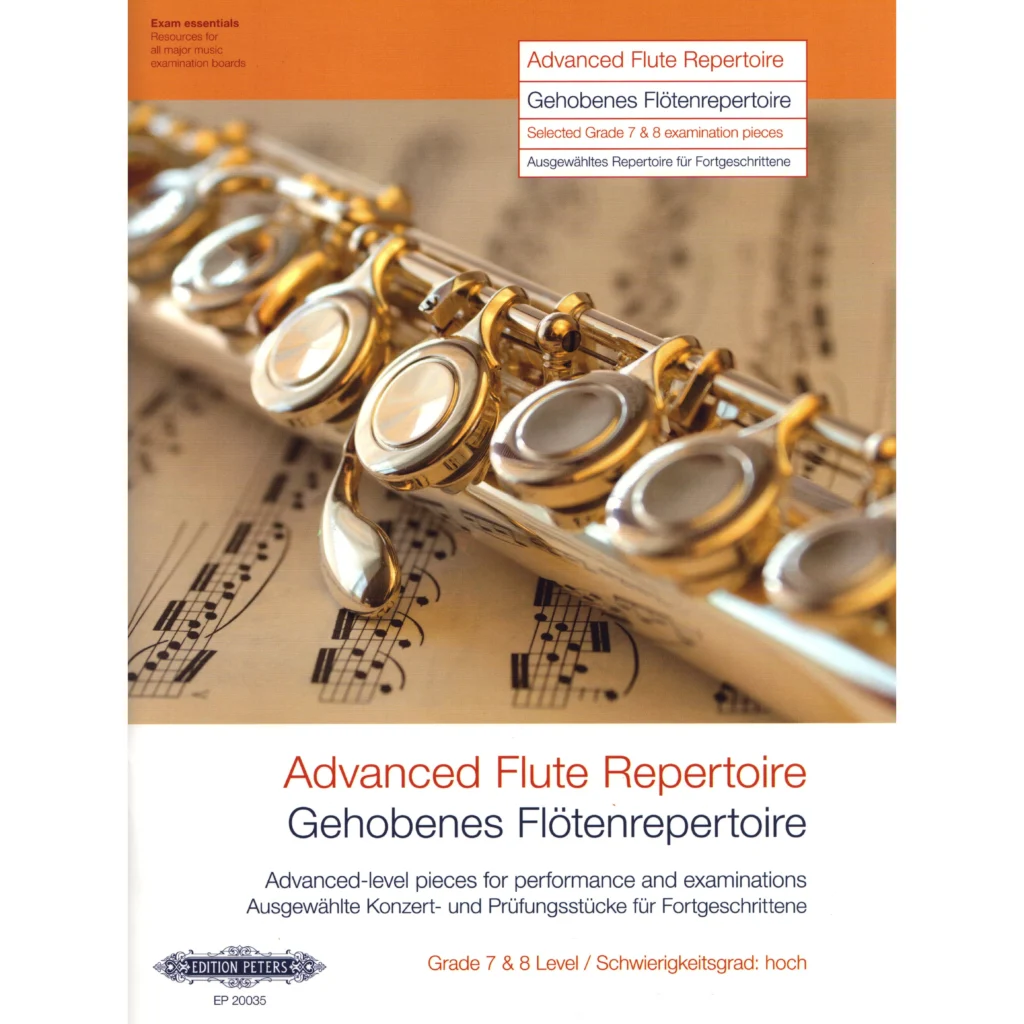
This very attractive collection of “Advanced Flute Repertoire” brings together in one generous volume, some great flute music from across the Faber and Peters catalogues. There’s something from each period of the flute’s long and rich history from Bach, Handel and Telemann to (William) Lloyd Webber and Sally Adams. There are movements from iconic sonatas and concertos, some very useful studies and not forgetting one of the flutes most popular and enduring unaccompanied works, Syrinx. They have all been chosen as they currently appear on various advanced grade exam syllabuses and I have been invited to contribute some detailed performance notes which encourage the player to think deeply about such issues as phrasing, tone and style and also, in a way, to express an examiners point of view.
What does the title “Advanced Flute Repertoire” actually imply? Difficult repertoire? Nothing is difficult if you can play it! But to get the most out of these pieces it’s good to be able to control a rich, warm and well projected sound; to be able to create and control a wide range of dynamic levels and an ability to nuance your tone colour. To know your scales and related patterns and practice them so that, with tense-free finger action, you can play them rhythmically, effortlessly and fluently. Under those conditions there’s very little here you might find problematic!
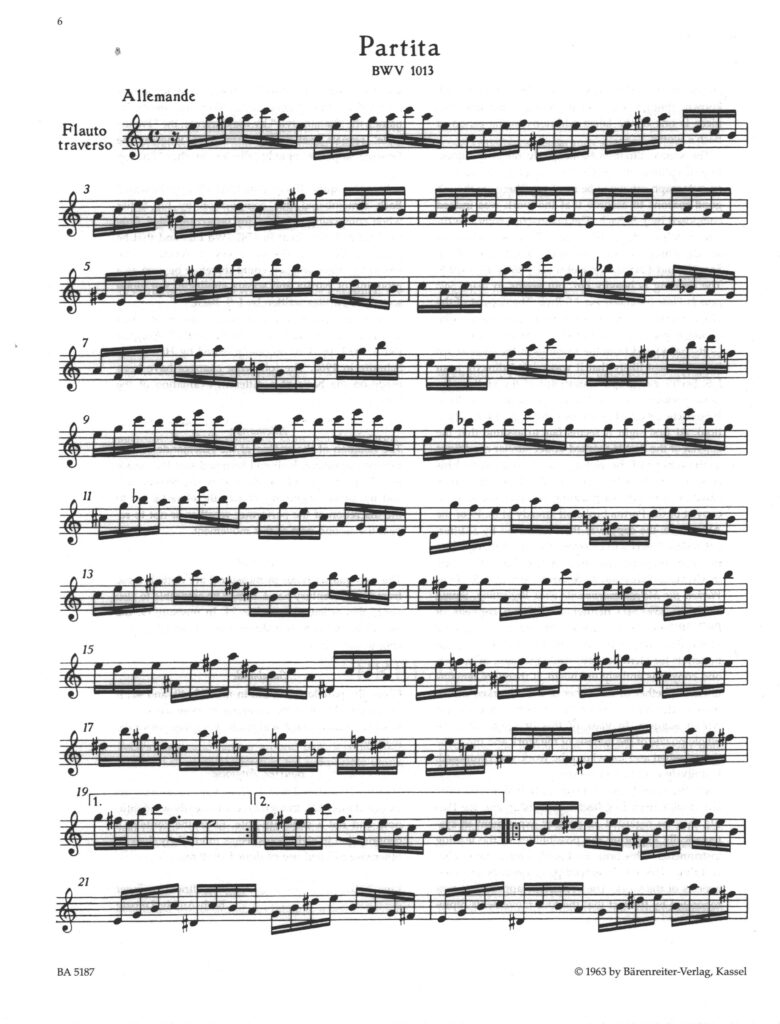
Though Bach didn’t write a lot for the flute, there are three examples included from his great output. I’d like to mention the Allemande from the Partita in A minor as it gave me an opportunity to talk about rhythm. The fact that the piece begins on the second semiquaver of the bar sets up both the rhythmic shaping for the entire work and gives a major clue to interpreting and building the phrases – lots more about this in the notes!
Though it is sometimes said that Mozart wasn’t a great fan of the flute, his many works for the instrument give a very different impression. He makes the flute sing and dance with an all-embracing mastery and conviction. The 1st and 2nd movements of the D major Concerto are included here – one of the interesting ingredients in the 1st are trills and we discuss some interesting considerations to take into account when bringing these to life.
I’ve always thought the music of William Lloyd Webber is less well known than it should be so I was very pleased to find a movement from his Sonatina for Flute included. He was a pupil of Vaughan Williams and maintains the lovely pastoral style of writing in his compositions. This lovely movement gives the performer a lot of scope for tasteful rubato which we discuss in the notes.
There are several unaccompanied works too, including some very useful studies which allow the developing player to really concentrate on musical and technical aspects and then enjoy the sense of a complete performance at any time and in any place! In the notes there is a lot of discussion on understanding how to formulate your own ideas for phrase shaping. There are also two unaccompanied works: Syrinx, which needs no introduction really – though the notes do suggest some lines of thought that are not always considered – and a very imaginative soundscape, Sea Echo, by Sally Adams, a work that many will enjoy getting to know.
