
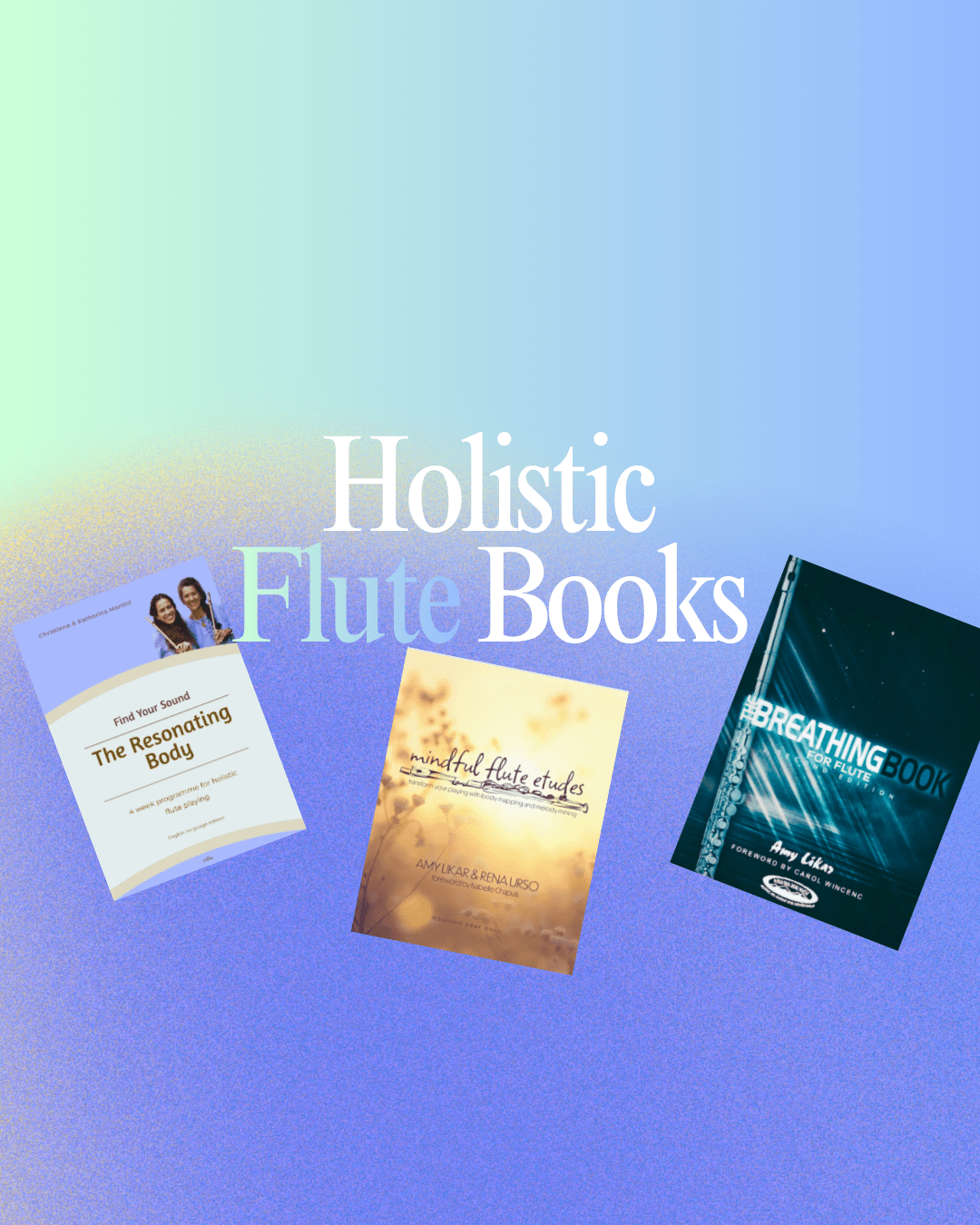

Mental and physical health are extremely important for all flute players so take time to explore these stimulating books and ensure that all aspects of your playing are in good shape.
Christiane Martini: Find Your Sound – The Resonating Body
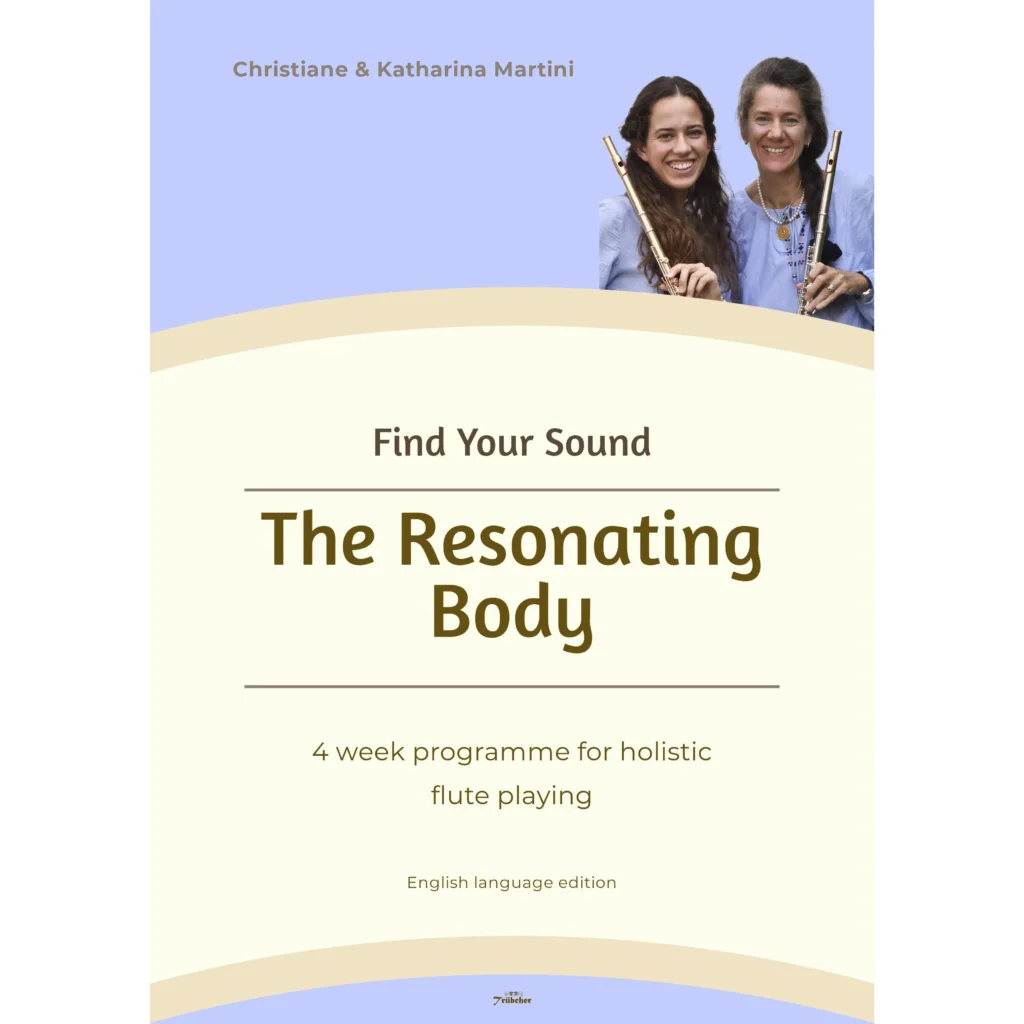
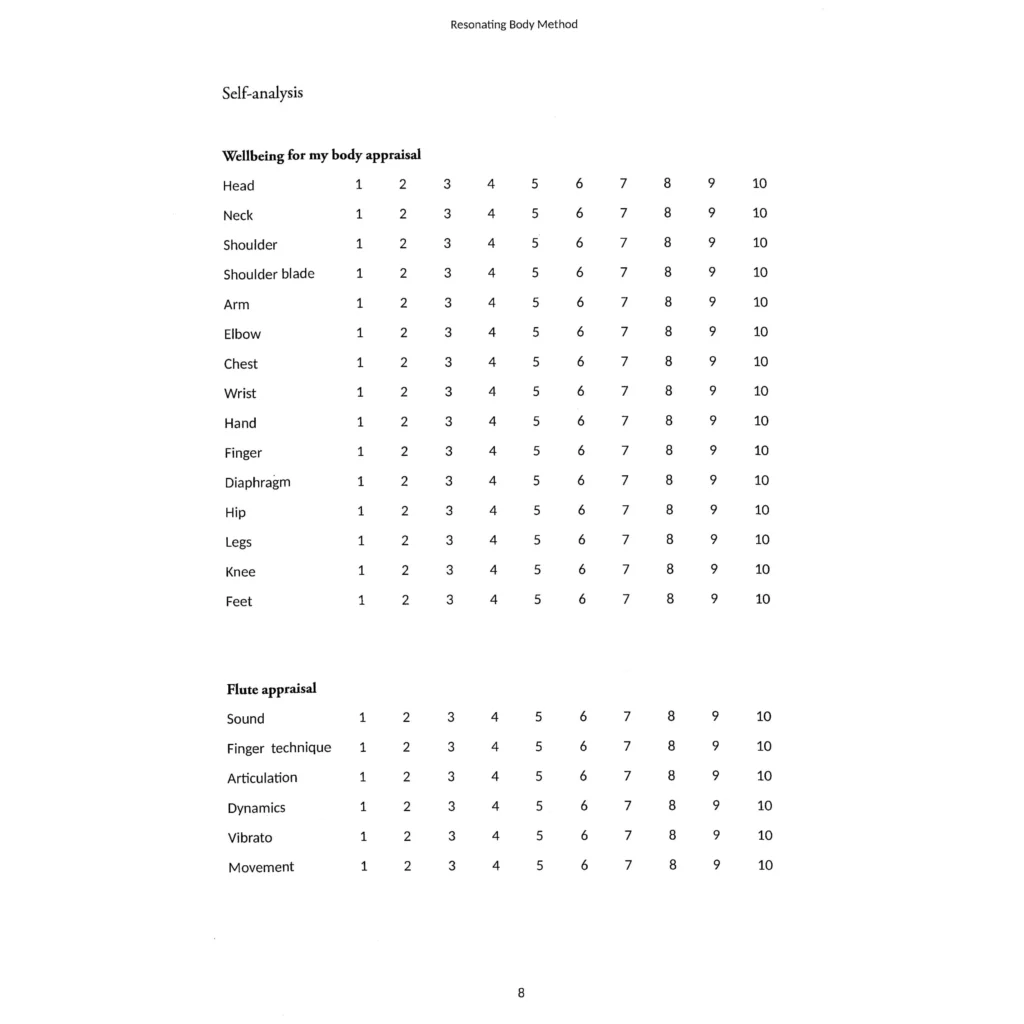
This a book about holistic flute playing. The four-week plan of work brings together the mental and physical aspects of performance as well as a method for playing more fluently. Taking the concerns of five young flute students as a starting point, this self-help book encourages internal focus and re-alignment, with plenty of space within the text for you to reflect on the effect of exercises undertaken. This way of thinking about the flute is becoming ever more important and it’s great to see that structure can be given to a concept that can sometimes feel vague. This is definitely a book for our times.
Lea Pearson: Body Mapping for Flutists
If you are not familiar with the concept of body mapping, this book is an eye-opener. It explores the skeletal structure of the areas we use when playing the flute before exploring exercises to help understand their function and prevent problems. Each chapter is fully illustrated with the essential pictures and diagrams to make everything more approachable and there are generous margins for note taking. In addition there are extra interesting facts, pointers to other books and further anatomical details. It’s a great package and a must have book for all who are interested in keeping their flute playing body in tip-top condition!
Amy Likar: The Breathing Book
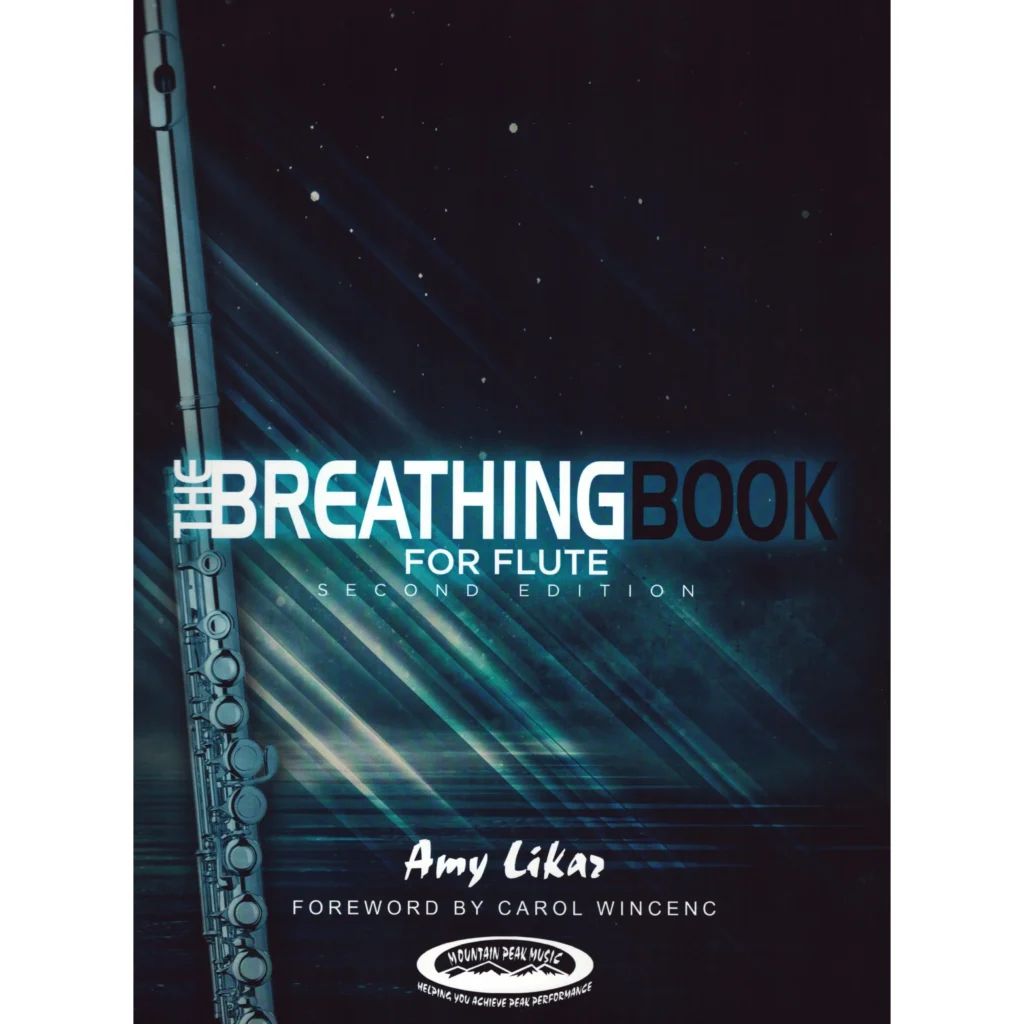
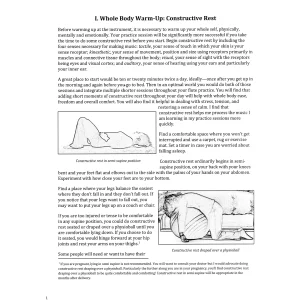
Amy Likar has spent a lifetime studying the mechanics of breathing and her experience shines through this really interesting book. It’s a flute version of a more general work and the in-depth instrument-specific discussion is vital when trying to make sense of this most challenging of subjects. A glance at the contents page shows the whole body approach in which head, arms, spine and even the role of the pelvic floor are explored. Each chapter is enhanced by anatomical sketches, some small musical examples and Explorations which are essentially practice exercises. The information is presented clearly and in a way that is easy to understand. The section on the diaphragm, for example, explains the problem with common misconceptions which is very helpful, and the list of the ways in which players interfere with air-flow could be a real eye-opener. Not everyone will agree with everything here but there is something to take away from this book for all of us.
Amy Likar and Rena Urso: Mindful Flute Etudes
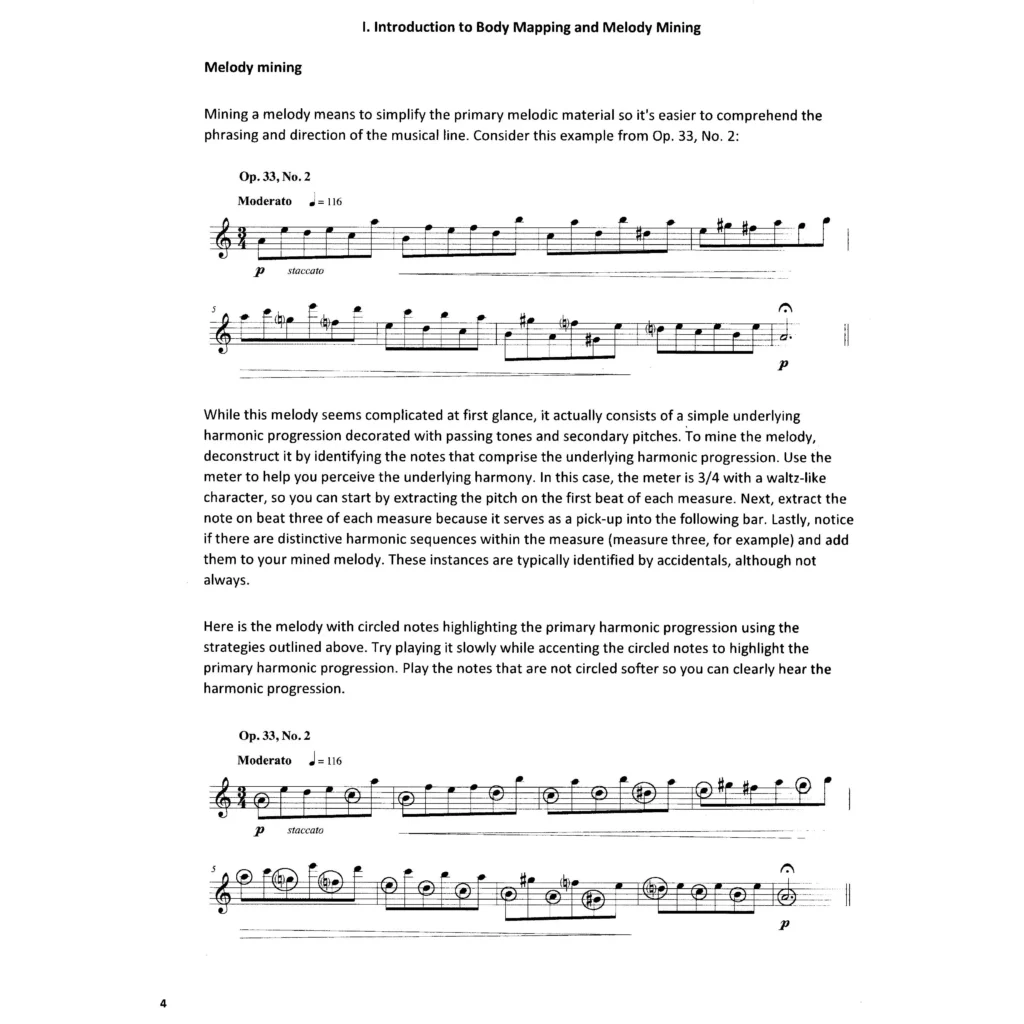
This interesting book uses Andersen studies as a basis for ergonomic and mindful practice. Each body mapping activity is thoroughly explained with text, diagrams and QR code access to ‘how to’ videos, all leading to a better performance of the relevant study. The amount of anatomical information is extremely impressive, and issues such as body awareness and journal prompts are essential pointers as to how to focus on the body when playing. Melody mining strips the study down to its bare bones, encouraging the player to more effectively outline the phrases as they play and will foster a better degree of physical as well as musical understanding. This a great book for all those interested in a holistic way of performing and is certainly a different way to approach Andersen studies.
Fiona Wilkinson: The Physical Flute – Creative Techniques
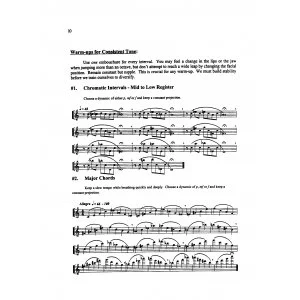
This book starts with an appraisal of the body and its position when playing the flute and then goes on to set out familiar tone exercises with pointers back to the opening chapter. These reminders make sure that the physical aspets of practising become as much a part of the skill set as the exercises themselves. There are diagrams to help with understanding and a final chapter which encourages you to check your flute before you blame yourself for not having a good tone. Sound advice from an interesting book.
David Vining: Notes of Hope – stories of musicians coping with injuries.
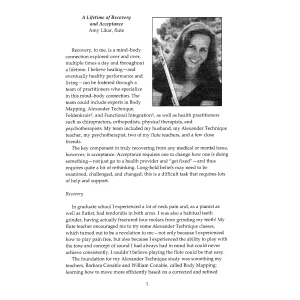
This little book will give solace to anyone who has suffered an injury that prevents them from playing. Nine musicians from a wide variety of genres, tell their stories, outlining what happened and how they managed to return to the concert platform. Emotional as well as physical difficulties are related in a straightforward manner, with an emphasis on the positive as well as the frustrating aspects of recovery. There is a high chance that misfortune can befall anyone, musician or not, but this book is proof positive that we can all survive and indeed thrive. Sometimes hope is all you need and this book gives you plenty of that. Uplifting!
Buer-Meinshien: Get Fit to Play! 60 physical exercises on breathing technique, posture & relaxation
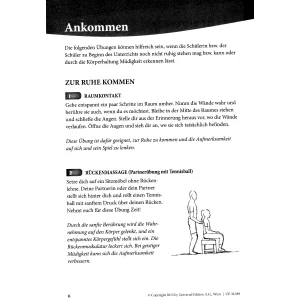
Text in German only.